

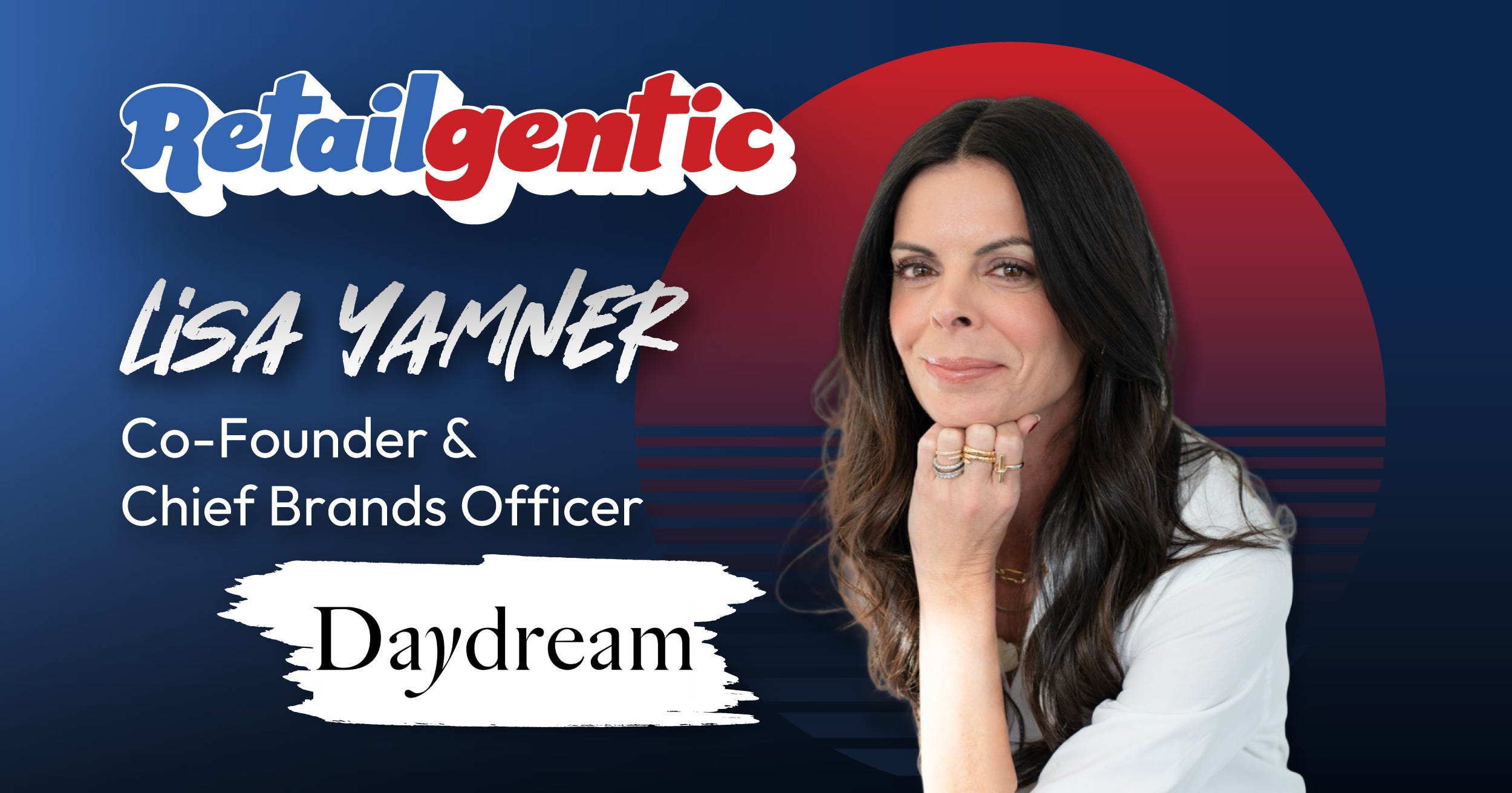
Lisa Yamner is Co-Founder and Chief Brands Officer of Daydream, the AI-powered fashion shopping agent she started with Julie Bornstein. Lisa spent 12 years at Google, where she founded the fashion and luxury vertical in 2011. She then spent about a year at Condé Nast building its fashion vertical before teaming up with Julie at The Yes, which they built from 2018 to 2022 and sold to Pinterest.
Shopping still wasn’t solved, so they went back at it. Daydream raised in the summer of 2023 and started building in earnest in January 2024. Lisa has spent her career at the point where fashion meets technology, often as the person convincing luxury brands to trust digital.
Get your products ready for Meta Muse’s first Black Friday
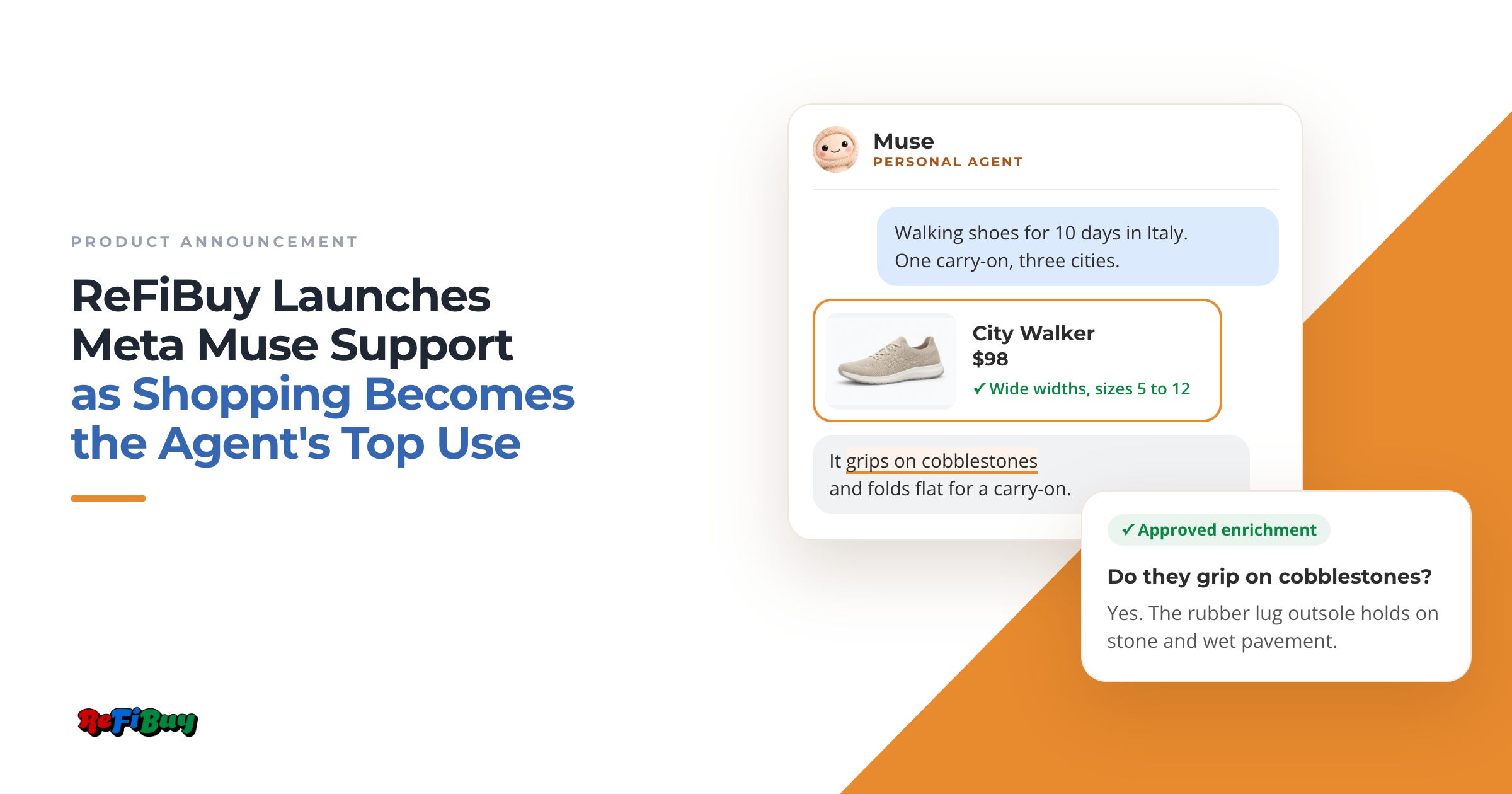
Shopping is the top use of Meta Muse. Meta says more than 10 million people in the U.S. and Canada set it up in six weeks, and the average purchase is over $200.
ReFiBuy now supports Muse. Find the product data gaps that hold your products back, approve agentic enrichments with the evidence behind them, and monitor how your products show up in Muse.
Black Friday on November 27 will be Muse’s first. Early access is open now for brands and retailers in the U.S. and Canada.
Listen/Watch Our Interview:
When you think about vertical shopping agents, the AI agents built to solve shopping in one category, one name keeps coming up: Daydream. We’d wanted to get the Daydream team on Retailgentic for a while, and this week we finally did. This one is part founder story and part deep dive into what a fashion-native agent learns when shoppers stop typing keywords and start describing their lives.
Highlights
𝗧𝗵𝗲 $𝟱𝟬𝗠 𝗿𝗮𝗶𝘀𝗲: Daydream has raised $50 million. The Pinterest exit kept earlier investors on board and brought in new ones who had wanted into The Yes before it was acquired.
𝗢𝗻𝗹𝘆 𝟯% 𝗼𝗳 𝘀𝗲𝗮𝗿𝗰𝗵𝗲𝘀 𝗻𝗮𝗺𝗲 𝗮 𝗯𝗿𝗮𝗻𝗱: In Lisa’s Google days, brand search drove everything. On Daydream, people search by occasion, lifestyle and body type.
𝗤𝘂𝗲𝗿𝗶𝗲𝘀 𝗴𝗲𝘁 𝗱𝗲𝗲𝗽𝗲𝗿: New users start with Google-style searches like “red dress.” The more often they return, the longer and richer their queries get. One real example: “Going to a Tulum vacation for five days. Help me dress like a Jacquemus ad.”
𝗦𝘁𝘆𝗹𝗶𝘀𝘁 𝗶𝗻 𝘆𝗼𝘂𝗿 𝗽𝗼𝗰𝗸𝗲𝘁: “You never ask your personal assistant to actually pick it out for you.” Lisa says that gap is where Daydream fits.
𝗟𝗶𝘃𝗲 𝗶𝗻 𝘁𝘄𝗼 𝗱𝗮𝘆𝘀: Daydream works from brands’ existing Google or affiliate feeds, takes its commission through affiliate networks, and gets most partners live within about two days. The catalog covers 350+ partners, 10,000 brands and 3 million products.
𝗧𝗵𝗲 𝗳𝗮𝘀𝗵𝗶𝗼𝗻 𝗸𝗻𝗼𝘄𝗹𝗲𝗱𝗴𝗲 𝗴𝗿𝗮𝗽𝗵: Daydream doesn’t take a feed as finished. It enriches each one using text, images and input from real stylists, so it can tell that a skirt is both A-line and pleated, and that a white dress is the wrong answer for a wedding guest.
“𝗠𝘆 𝗳𝗲𝗲𝗱 𝗶𝘀 𝗴𝗮𝗿𝗯𝗮𝗴𝗲”: It’s what Lisa hears most often from brands. Daydream’s goal is to level the field so a brand with a 25-person feed team doesn’t automatically beat a one-person Shopify shop.
𝗧𝗮𝘀𝘁𝗲 𝘃𝘀. 𝘀𝗽𝗲𝗰: Lisa splits shopping into two kinds. In spec-based buying (“the Samsung Frame TV in 65 inches, just buy me the best price”), agents will act fast. In taste-based categories like fashion and home decor, people “want agency in” the process.
Lisa has spent her whole career bringing fashion along into what’s next, and Daydream may be the clearest picture yet of what a category-native agent can do.
🎧 Listen wherever you get your podcasts: Spotify, Apple, etc.
Or, we have a video version on YouTube (make sure to subscribe!) →
Want to Learn More?
Stay on top of what’s happening in agentic commerce, from the tools powering it to the founders building with it by following us across platforms:
Podcast: https://retailgentic.transistor.fm
Instagram: https://www.instagram.com/retailgentic/
We're here to make sense of what’s next in retail + AI and bring you along for the ride. Subscribe and stay tuned!
Hi Scot, only 3% of searches naming a brand is good news for small brands like mine. The shopper describes the need, and the best answer can still win.