


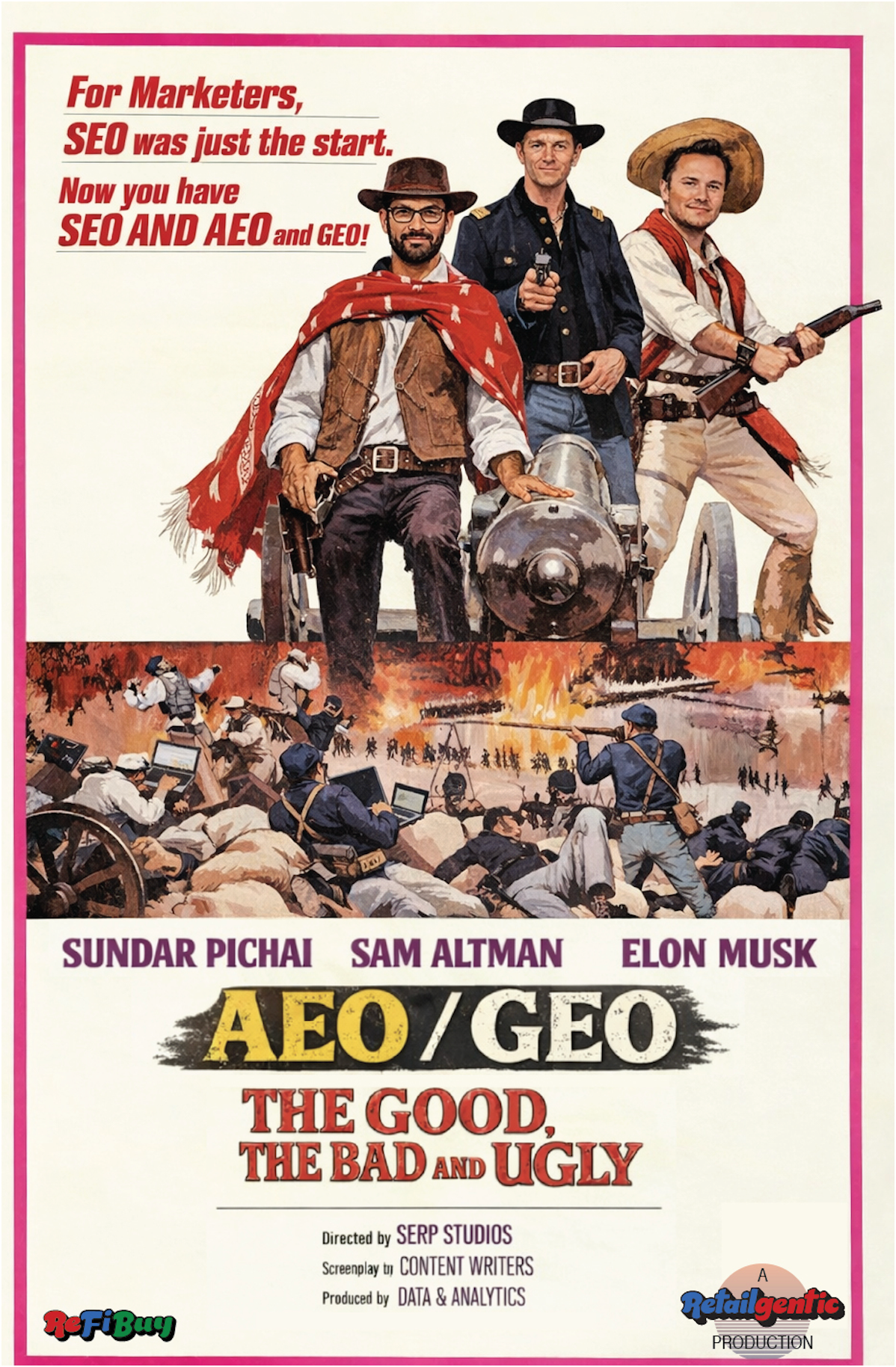
Here in North Carolina, for the first time in decades, we’ve had snow two weekends in a row!! I have severe cabin fever and after watching everything current watchable on streaming, this weekend I had a nostalgia-fueled marathon of classic movie watching.
My neighbor and best friend’s Dad used to love what we called in the 70’s “old timey” spaghetti (mostly Clint Eastwood or Charles Bronson) and John Wayne westerns. My favorite one that I re-watch regularly is The Good, the Bad and the The Ugly. (tip: free on Amazon Prime Video). They don’t make them like that any more!
While watching TGBU, it hit me, it’s the perfect metaphor for what’s going on in in the world of SEO/AEO/GEO.
In the last two articles:
We’ve talked about Keyword Jail and the Golden Age of Storytelling.
We’ve unpacked the Iceberg Problem.
Now it’s time for the uncomfortable part.
Parts of GEO/AEO are real, but It’s also being wildly oversold. You come to Retailgentic for details, hot takes and a deep analysis on what we’re seeing on the bleeding edge of Agentic Commerce, so let’s separate signal from noise → The Good, The Bad, and The Ugly
Grab a bucket of popcorn 🍿, a comfy chair with a warm blanket and let’s dig in…
GEO/AEO’s Trough of Despair
I read most published content about Agentic Commerce and the tangential topics, including GEO/AEO, and ever since December there has been increasing negativity around this category of company. It started in the press and now it’s one of the hot topics I’m hearing from retailers and brands.
I’m going to call it - GEO/AEO is heading into the Trough of Disillusionment, which as a founder, I call the trough of despair.
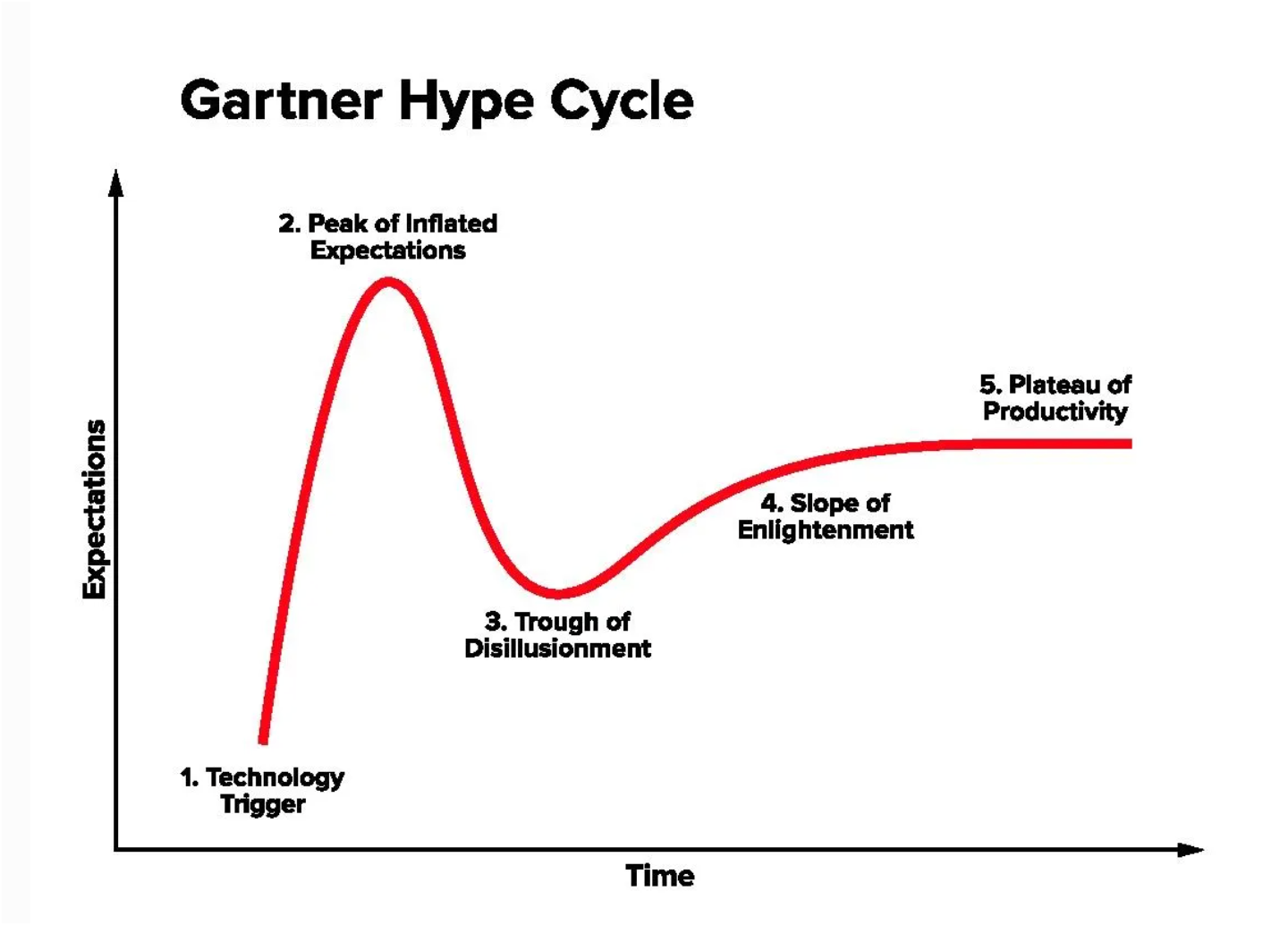
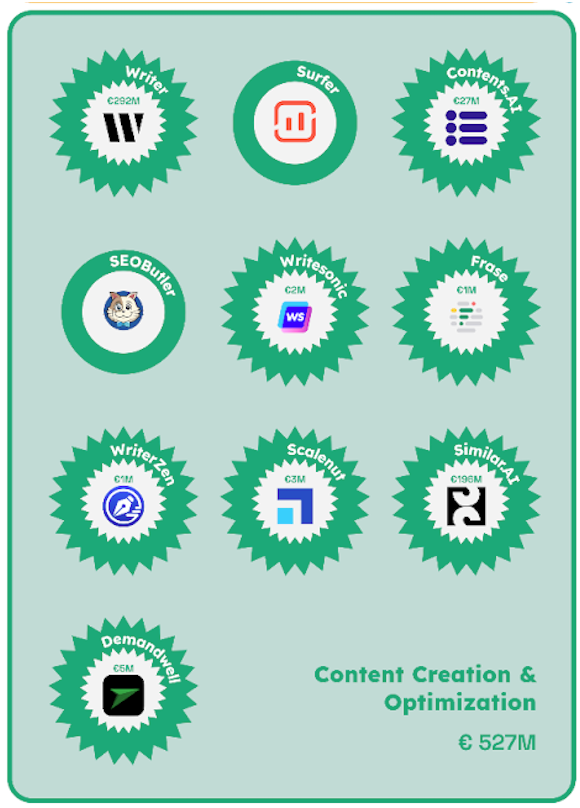
To get into the Trough of despair, you have to start with a really inflated expectation wave. Kevin Indig has a substack for tech companies focused on trends in Growth/Go-To-Market and he had a great article called “The Alpha is not LLM Monitoring”. where he details the problems of the ‘AI Visibility’ category of startup that now has raised over $227m across 60-100 startups. He has this handy graphic clustering them into 9 sub-categories and if you zoom in the company name and amount raised are around the edges.
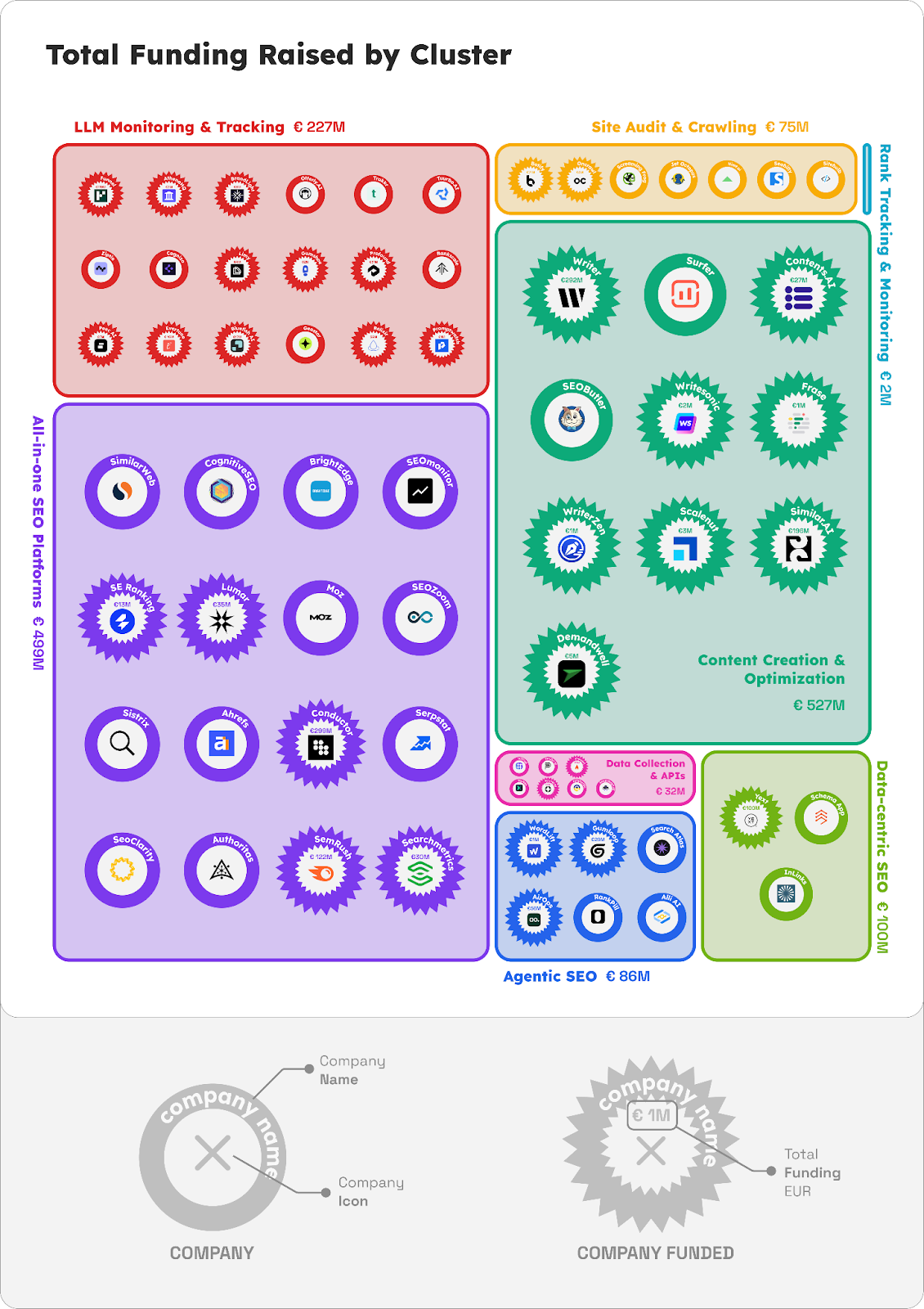
Looking at this I immediately found 15 companies that have raised over $5m not even on the chart! That’s how overcrowded it is. The good news for retailers and brands is the space is so competitive, I’ve talked to many brands and retailers that are getting this service for free on a proof-of-concept from existing vendors on the SEO side for free, or from many of the startups. One brand I talked to was POCing 3 of them for free for a year which seems like more work than value.
Are We Heading for an Extinction Event for ?
Kevin makes the argument that in 2026 we are heading for a mass extinction event for the companies in this category because of this intersection of factors:
Overfunded+Overcrowded - If you are reading this, you have probably been pitched by at least 5 of these companies.
Low Technology Hurdle - At their core these systems get prompts from users or use AI to generate problems, they run the prompts through ChatGPT’s API and then they measure the output. This can be vibe coded in a week or less. In fact, I’ve talked to several brands where they had a developer see a demo, say - “I can build that but custom for our needs” and did very quickly.
Race to zero - Infinite free POCs.
Actionability - When I talk to brands and retailers, they get into the trough of disillusionment with these tools quickly. The lifecycle is initial excitement from the dashboards on visibility, some improvement and then frustration at a lack of actionable changes to make followed by the trough and frustration.
Why is that? Let’s dig in using the Good/Bad/Ugly buckets.
The silver-lining is I do think theres a place for this type of tool in the retail/brand world, we’ll get to that in the Good.
Because our focus here is Agentic Commerce, we’re focused exclusively on that vertical. There are other verticals like financial services, healthcare, media, and software, etc. where GEO/AEO software is potentially more effective, especially where the content for that category doesn’t involve complex product catalogs that have to be mapped and optimized against brand new product-cards (target catalog).
Let’s peel the onion and start with what GEO/AEO gets right for brands and retailers in the digital commerce vertical:
The Good
In this section we have four positives that GEO/AEO tools bring to retailers and brands including:
It’s FREE! (ROI = ∞!)
Crawlability Improvements
High-level Sentiment Monitoring
Supports Brand-level PR Strategy
Let’s unpack each of these.
Best of All: It’s FREE!
As mentioned in the intro, the glut of AEO/SEO well funded tools in the market are driving the price of the tools to effectively free. Traditional SEO/SEM tools frequently are offering this functionality for free or as a nominal add-on (or free throw-in at renewal time) and the startups are reacting by also offering it for free.
Crawlability Improvements
When you unpack the functionality in GEO/AEO there are many areas of functionality such as:
Site-level LLM bot crawlability checks
Prompt generation (human driven or ‘synthetic human’ -fancy word for AI)
Runs prompts and measures citations for what is called AI Visibility
Sentiment analysis - GEO/AEO tools take the output of LLMs and measure the sentiment as positive/negative or neutral.
GEO/AEO targeted content creation
Panel-data analysis for prompt prediction
Workflow creation and management
Dashboards, lots and lots of Dashboards - All in purple! Have you noticed that? It’s not just you, it’s a vibe coding thing. Did I mention… PURPLE DASHBOARDS!
For retailers, we’ve found the most actionable and impactful is the site-level crawlability scoring and recommendations. Many retailers and brands, by default
If you recall, our Agentic Commerce Optimization framework and GEO/AEO actually share this first step (and then diverge wildly from there).
New to ACO Be sure to check out our 4-part introduction from 10/25 here.
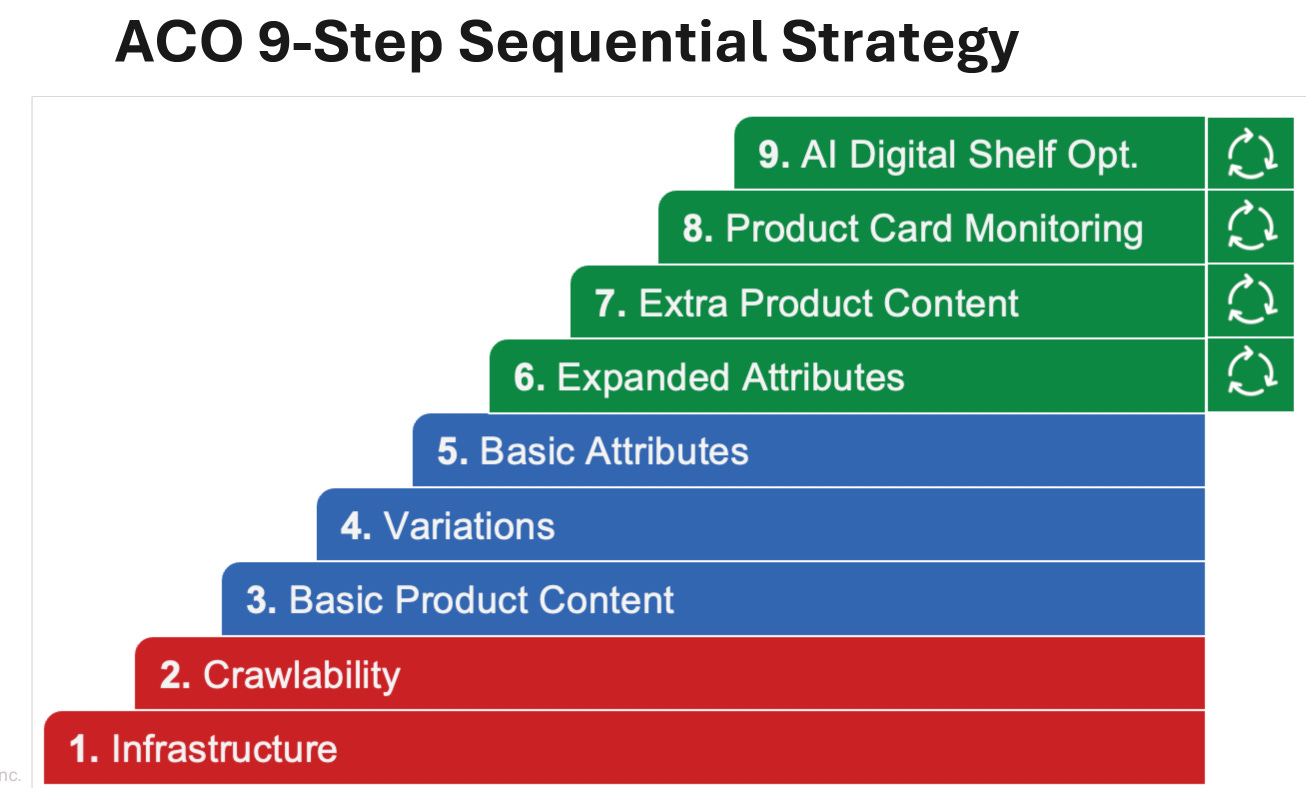
That being said, in addition to basic site blocking and overall site readability, in side steps 1 and 2, ACO also looks at PDPs and makes sure:
Product-level basic content (title, price, images, PDP bullets) is both crawlable in the visible data and meta data
More advanced product-level information such as variations, specifications, compatability details and other elements frequently not crawlable due to javascript.
Recommending extended Context signals for engines such as ratings/reviews and Q+A/FAQ
If your GEO/AEO tool isn’t providing instructions on detailed product-level crawlability, it’s not getting you 100% of the way there on the crawlability piece, 25% at best, but it’s better than 0%!
Sentiment Monitoring
Prior to GenAI, there has been market research for decades if not hundreds of years now. Then about 25 years ago a new category of sentiment analysis software was born that could take what people are saying about you online, your reviews on-site and off, etc. and roll it into an analysis of detracting-factors, neutral and ‘attracting-factors’. Companies such as Lexalytics, Brandwatch, Revuze and more are in this category. There’s a SKU-level variation of this software called Digital Shelf Analytics - companies like Profitero, CommerceIQ, PriceSpider and Salsify have this as a core or additional functionality to their core. it helps a brand evaluate which retailers have their product in-stock. For retailers it helps them compare their assortment and pricing to competitors.
One area where GEO/AEO’s excel is providing this functionality for the GenAI era and maybe even considered a replacement for the previous options depending on the retailers/brands needs. For example, GEO/AEO can run prompts for you such as “what are people’s top complaints about <brand>
Supports PR Strategy
One area of actionability for the sentiment analysis is an input into a comprehensive Public Relations (PR) strategy. Once you use a traditional sentiment analysis tool or one of the AI ones, you will get an idea of the PR problems your company faces and the surface area of where it’s happening. For example is the negative sentiment coming from Podcasters, Youtube creators, Tiktok influencers, Instagram’ers, Newsletters, Redditors or ? Once you know that your PR team can work to put out messaging to
In the “Sentiment Monitoring” and “Supports PR” ‘Good’ use-cases for GEO/AEO you’ll notice we haven’t mentioned product category or product-level information.
That’s because the bulk of GEO/AEO, with the exception of the small crawlability piece, is best at helping with the overall-brand storytelling.
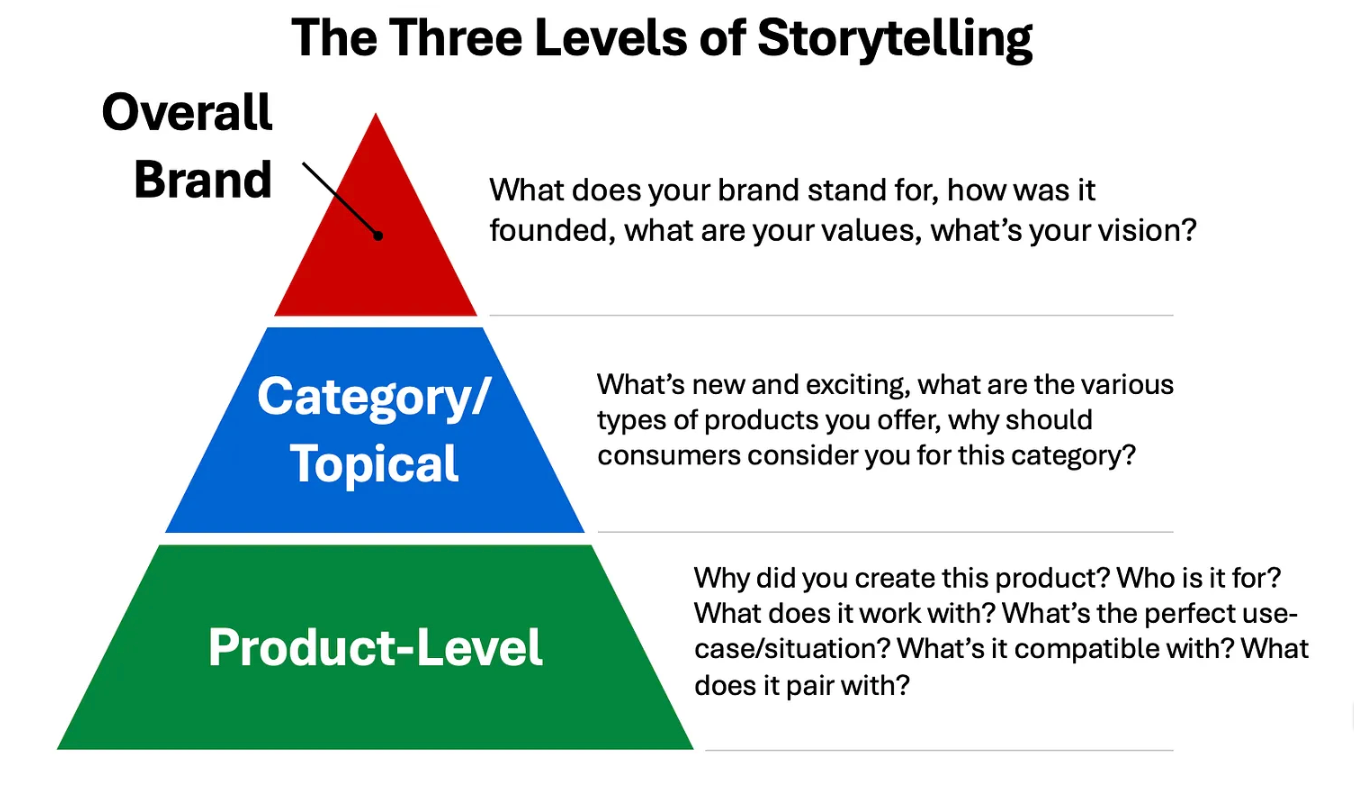
Because of this, our recommendation for our vertical of commerce is GEO/AEO should probably live in a corporate marketing function, not the digital commerce function.
To state the opposite part of this clearly: GEO/AEO is 100% not designed to help you with Agentic Commerce (except the crawlability piece helps a little bit).
You are probably saying….but…but AI visibility! Hold that thought, that’s a good transition to The Bad…
The Bad
That’s the good, let’s go down a layer into ‘The Bad’. Here are five Bad Aspects of GEO/AEO to be aware of, all tied to downside of AI Visibility:
Lack of actionability
Not repeatable
Can’t connect to business outcomes
Shifting foundation (really not repeatable)
GEO/AEO is a rebrand of SEO
Note all of these come from conversations with real retailers and brands that have tried one or more GEO/AEO tool and shared their concerns/issues.
Lack of Actionability
In the 2005-2022 version of Sentiment Analysis software, the biggest problem those businesses have/had is high customer churn. I’ve talked to many brands and retailers that used that pre-AI version of sentiment analysis and what they say is that it was a cool dashboard and helped them know maybe a little early what the positives and negatives are, but at the end of the day they are ‘read-only’ dashboards. Meaning there’s nothing you can do about it.
Here’s a real-world example. Let’s say you are at a shoe company. In any apparel/fashion item there’s a persistent problem around sizing and fit - ecommerce has had 100’s if not 1000’s of companies try to solve this problem and it hasn’t been resolved. Therefore it’s virtually guaranteed that our shoe company is going to use 2005 pre AI era sentiment analysis or 2023 era GEO/AEO and discover….wait for it…. There’s a lot of people complaining about sizing and fit. 😱
I can assure you our shoe company has tried every size chart and detail on the PDP about it 100x and maybe it improved 5-10% over the decades, but at the end of the day what customers want is a generous Zappos-level return policy so they can order 2-4 pairs of shoes and return N-1. 🤷♂️
Maybe GEO/AEO surfaces a Redditor named BigFootSally or TinyFootTina that are the root cause of a lot of the complaints. Let’s say they do, what can you do?
AI Visibility: Not Repeatable
As teased in the Good, some GEO/AEO solutions where they generate and run prompts like “Top rated sneakers” across the big 8 LLMs. They then look for actual citations (outbound links) or brand mentions. Here’s an example for top rated sneakers on chatgpt 5.2
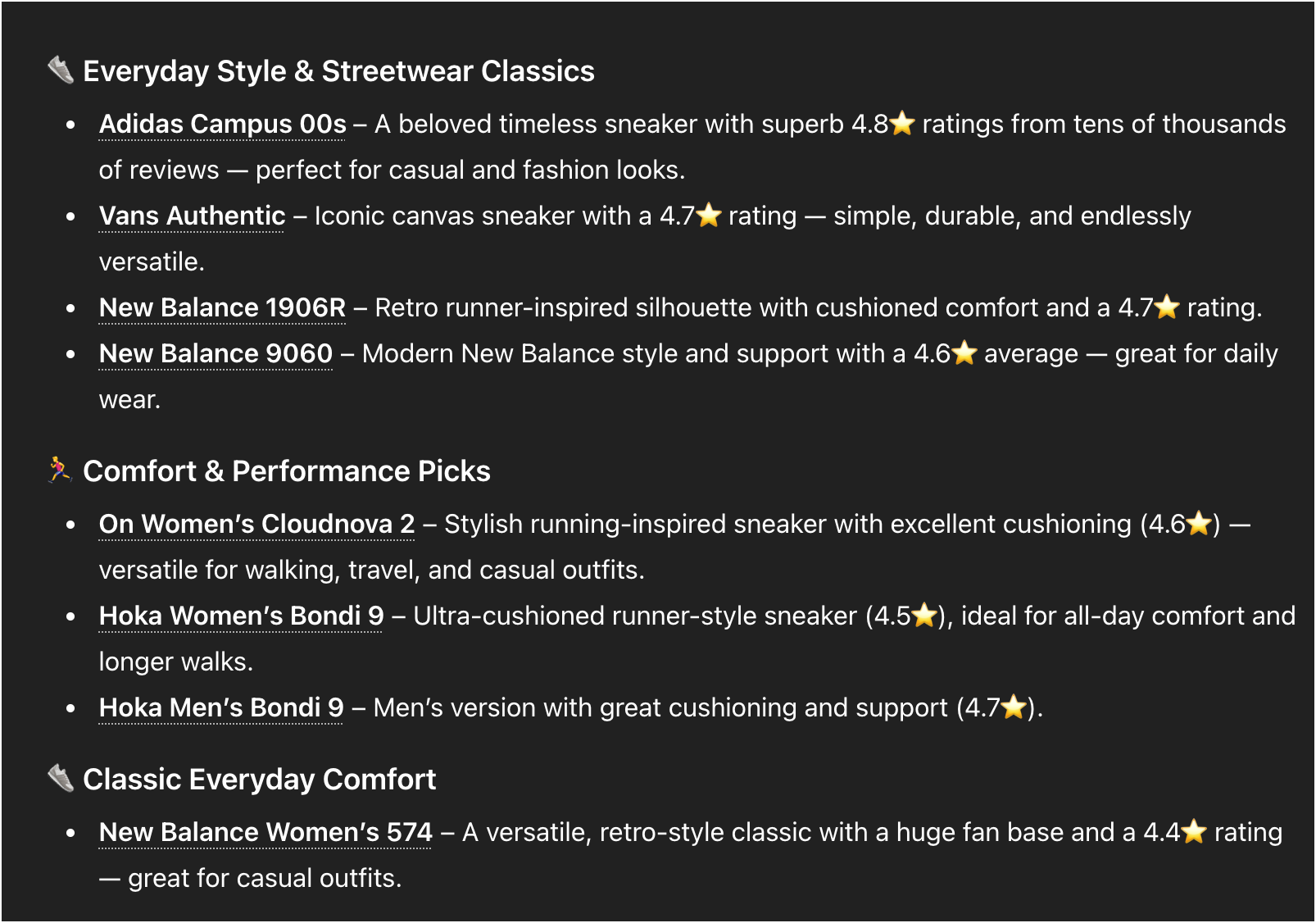
In this example the citation count would be:
Adidas - 1
Vans - 1
On - 1
Hoka 2
New Balance - 3 🎉
Also notice there are zero ‘proper’ citations here - no traffic will be sent to any brand/retailer unless I click into the SKUs which will pop up product offer cards and in the near-future route me to the on ChatGPT checkout. Welcome to the zero click future.
Advantage New Balance - right? Hold the Batphone - that’s keyword jail thinking. We don’t live in that world anymore. Let me illustrate. In the account above, I run a lot of searches for new balance and hoka - so that’s in my memory along with a LOT of other elements. I have an unusually large number of ChatGPT accounts and here’s the results from a different account.
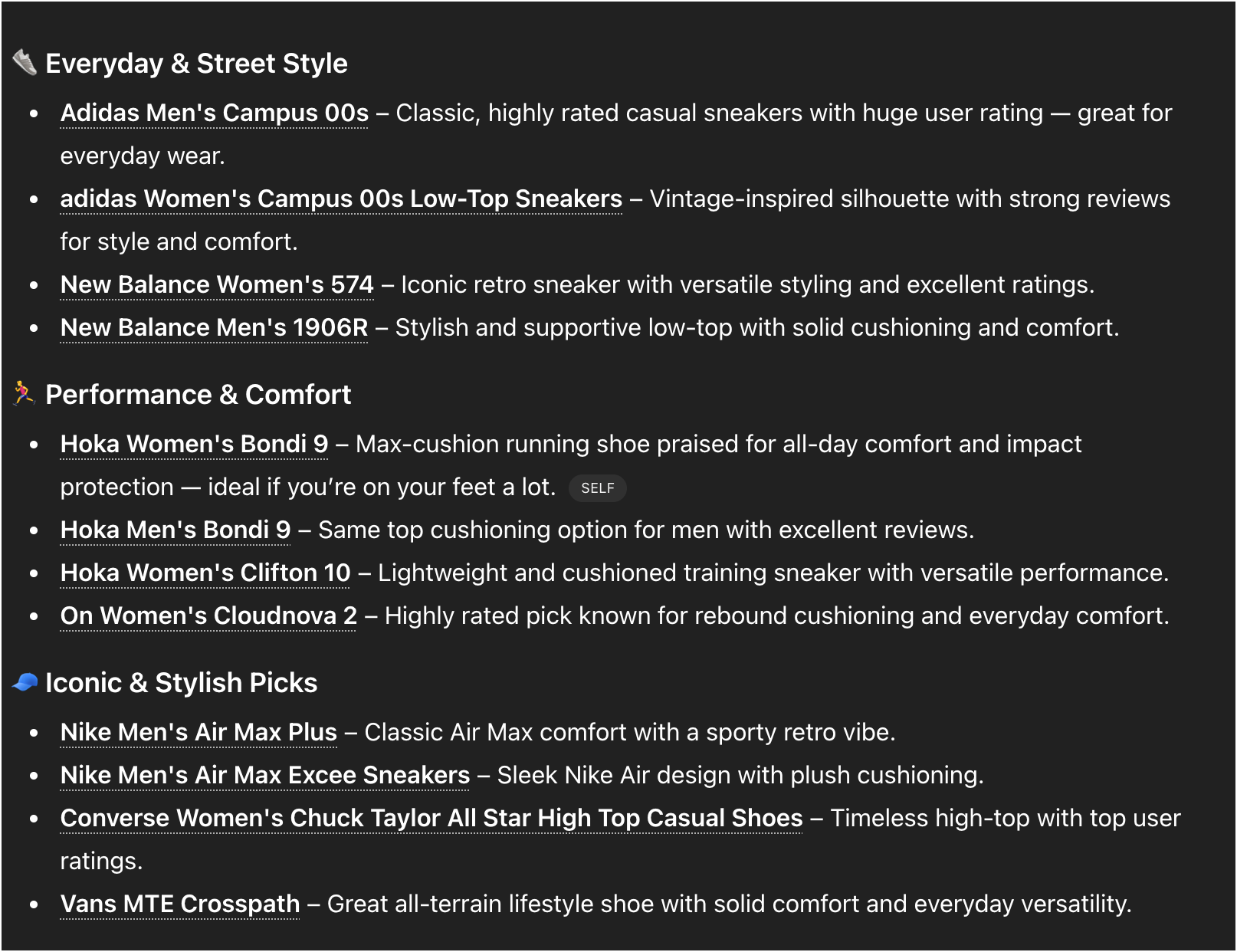
On - 1
Cons - 1
Vans - 1
Adidas - 2
New Balance - 2
Nike - 2
Hoka - 3 🎉
Also note there is one citation to SELF magazine in this entire result.
Way more results (I guess because it doesn’t know as much about me here? IDK) and
Here’s where it starts to get uncomfortable. What if your AI visibility isn’t really knowable? Don’t believe me, let’s ask one of the top GEO/AEO companies - Gumshoe:
Gumshoe: Umm, Houston We Have a (Repeatability) Problem…
This is a really long article that is here, but I’ll give you the ‘money chart’ and a TL;DR on it.
This guy is a GEO/AEO skeptic and challenged his friend at Gumshoe
They asked 600 volunteers to run 12 prompts each - sadly only one was really ecommerce related (grr) and it was for prompt (I don’t think anyone prompts like a data scientist other than, well data scientists, so that itself is suspect, but ok). The prompt: “What are the top chef’s knives (brand and model) for an amateur, home chef with a budget < $300?”
Here’s the distribution of the variety of responses:
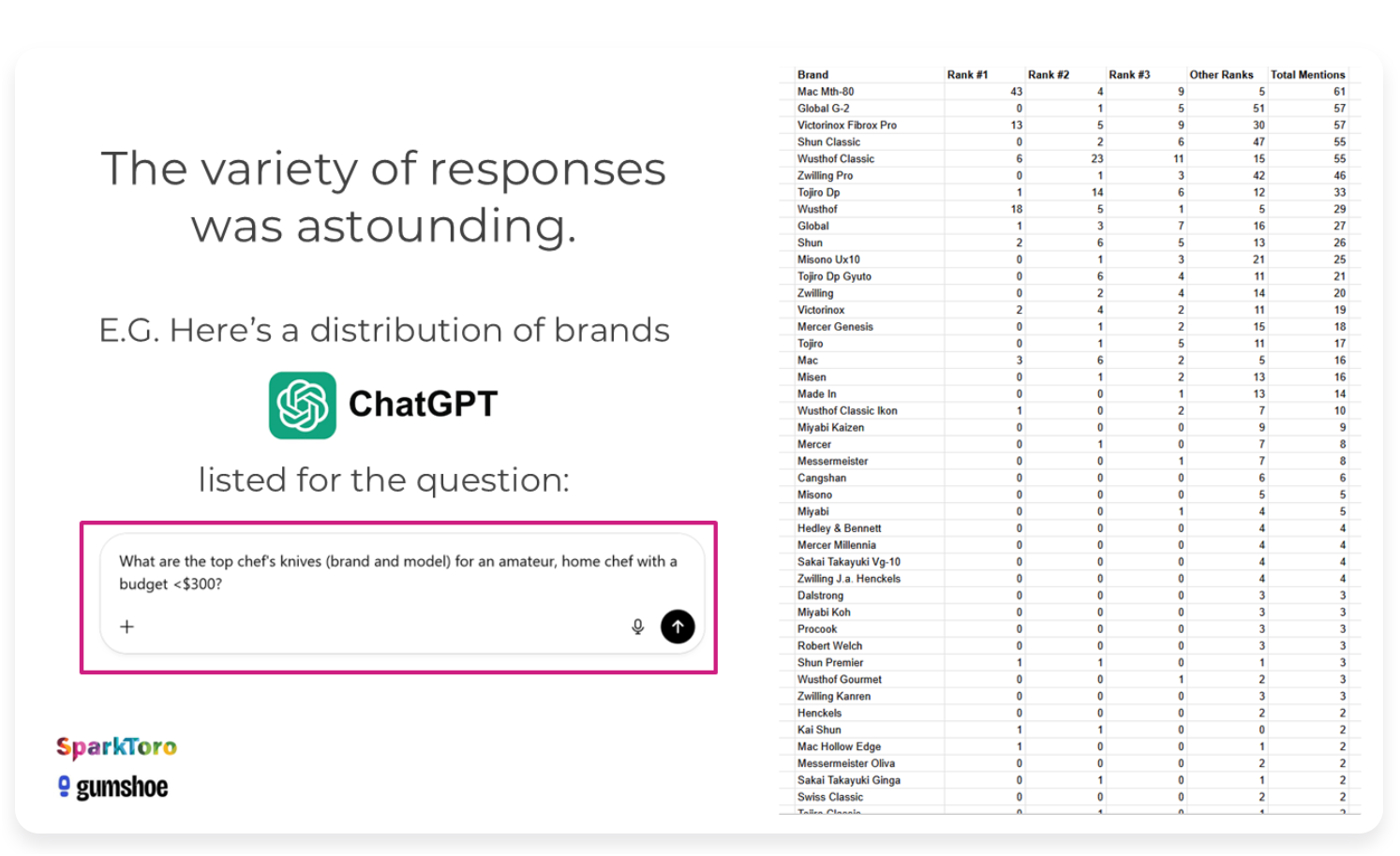
Later they try to save the day by talking about that top one Mac Mth-80 is consistently mentioned in all so that’s the new goal. My bet is that if they ran this test with 600 different friends a different leader would emerge. Plus in 2 weeks if they did this again, it would be entirely different results (remember this for the next section on Reddit/Youtube). Conclusion - AI visibility is a one-time view of one set of prompts in one moment in time. It’s not repeatable AND built on a wildly shifting landscape.
AI Visibility: Not Correlated to Business Outcomes
While AI Visibility can be great dashboard-wise to see going up and to the right, at the same time, I’ve talked to brands and retailers at are 6-12 months into their GEO/AEO journey and their AI Visibility is up, but traffic from LLMs is down and number of actual citations is down.
I think there’s several factors at play we’ve covered before and are coming up:
AI Visibility is a vanity metric and not tied to reality - You measured some snowflakes at a moment in time.
Answer Engine Tectonic Shifts - These engines are changing much faster than anything we’ve seen before. What has happened since July of 2025 is the equivalent of 15yrs form the keyword jail era.
Agentic Commerce - ACP and UCP are new and changing the shape of traffic and outcomes faster than GEO/AEO can track it.
Feasibility - For ecommerce companies, I’m not convinced that GEO/AEO will ever move the needle (aside from the features detailed in the ‘Good’ section).
AI Visibility: Not Actionable + Not Repeatable (across users and time) + Not Driving Revenue - 🥹😢
My point here is - what’s the actionability. If I’m On Cloud -what can I do about this? Flood reddit with positive reviews? Create a bunch of content talkign about how my shoes are the top rated shoes? (no ethical brand would do that - more on this in Ugly, wait for it).
On top of that, nobody prompts like this. In their detailed prompt analysis report ChatGPT talks about CONVERSATIONS and these are 2-10 ‘turns’ with the prompts being 10-30 words in length.
After 30 years in keyword jail we really really want this→
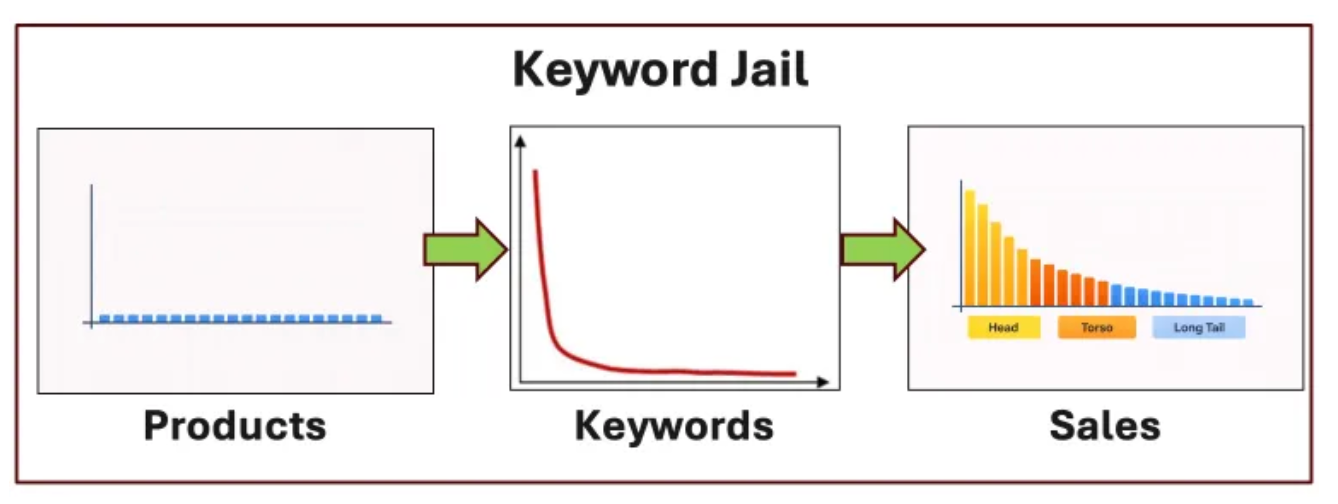
Instead the reality is this→
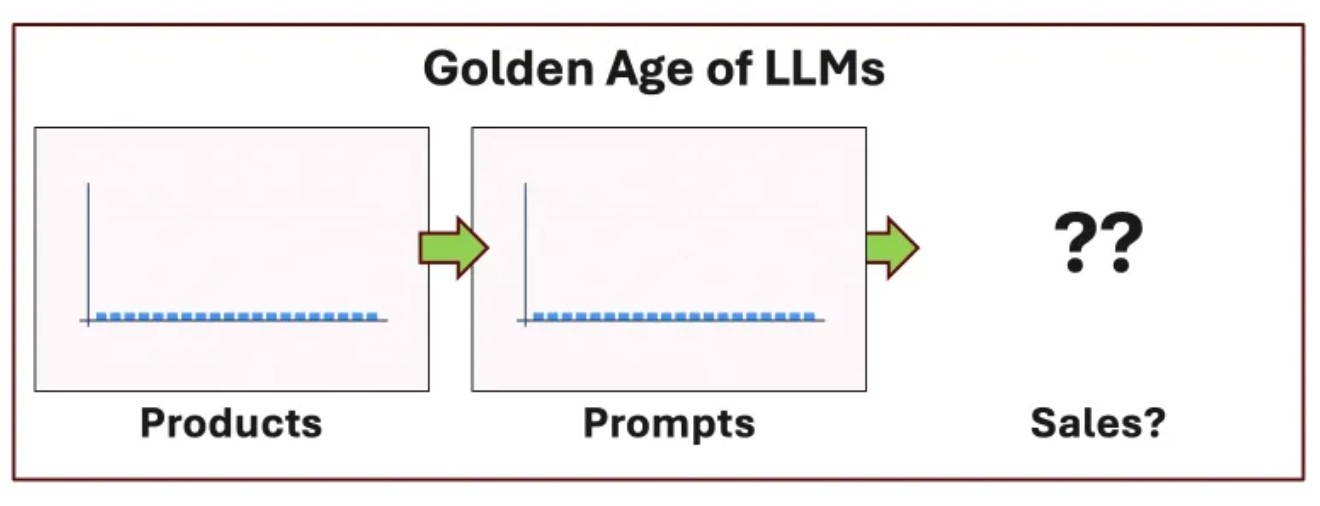
What GEO/AEO AI Visibility is giving you 100 prompts out of 100b long-tail permutations and showing you the results for that statistically irelevent sample. On top of that, it’s not actionable.
We had one retailer we work with say that AEO/GEO tool challenges finally realized that GenAI conversations are like snowflakes ❄️ insanely complex and never duplicated - that’s a great framing for post-keyword jail era!
Summary:
You can’t action prompt results
You can’t consistently measure these prompt results - AI visibility is a ghost. Citations are diminsihing and transactions are moving upstream as clicks go to zero? What can you do? (Hint: product-level ACO storytelling is the biggest action/measurable thing you can do).
Built on Shifting Foundations
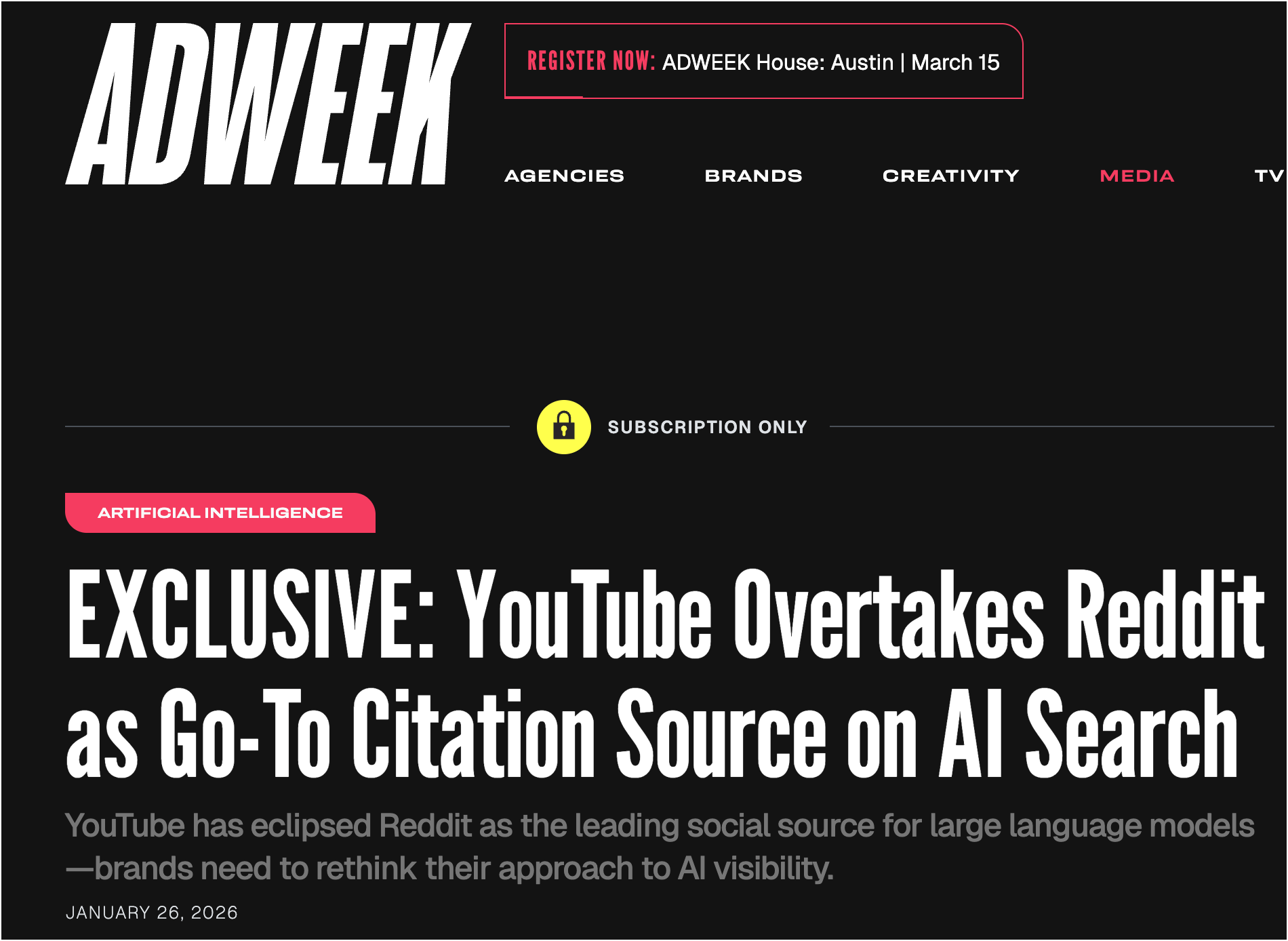
You can’t read an article from one of the GEO/AEO companies or the SEO people without them talking about the sources of citations for each engine (1 of 1m example here) . You’ve probably seen the stats that 40-50-60% of citations on ChatGPT, Claude, etc. are sourced from Reddit. Because of this I’ve met companies that are investing big $ into Redditor influencer programs, Reddit ads and PR strategies targeting Reddit users to move the needle on sentiment because their GEO/AEO tool told them that was what to do.
<record scratch>
This week Adweek has ar eport out from one of the GEO/AEO tool companies that, hold on, hold on. Reddit is OUT an Youtube is in! (article here - paywalled).
Is GEO/AEO Is A Rebrand of SEO ?
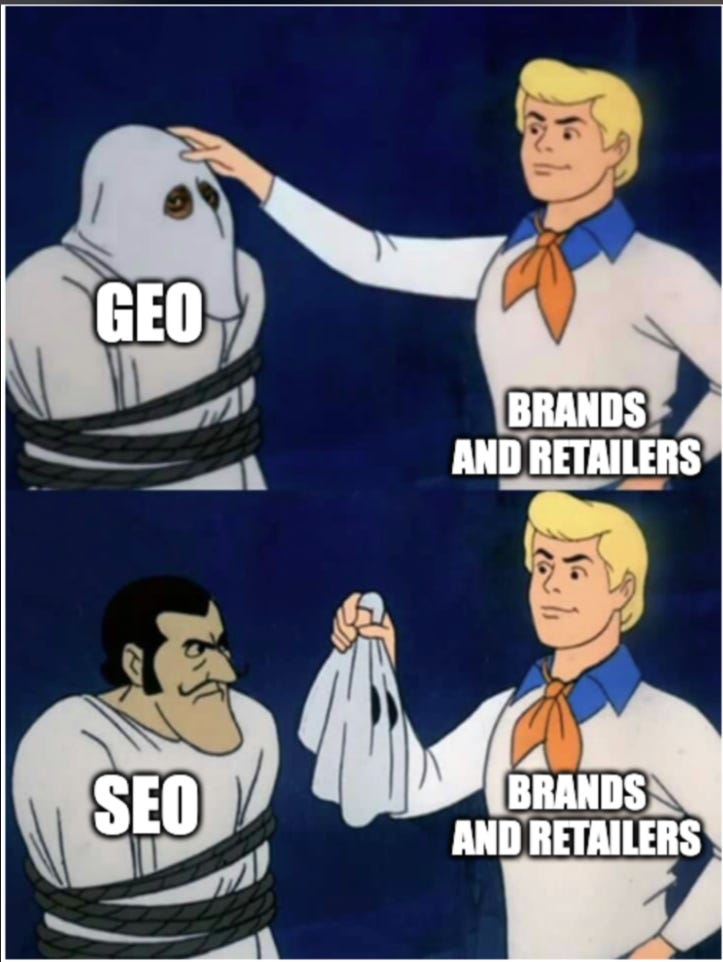
At this point I’ve seen 10-15 demos some hands-off and some hands-on and every since I started thinking in terms of the keyword jail era and the golden age of storytelling era, I can hear the demo and tell it’s just a SEO tool acting with a thin veneer (prompt instead of search - we’re AI!) on top of a SEO solution.
What to watch for:
Even though they use Prompt and Citation language, they will slip into search and click keyword jail vocabulary
Head/tail keyword thinking - “The most popular prompt for people searching for shoes is “top rated sneakers” - that’s not a thing post keyword jail and is a sure-fire sign the company saying this is really an SEO company
They will tell you that AI Visibility is measurable, repeatable, actionable and easily improvable in the short term.
You can predict what prompts shoppers will use for brand/category/product - and there’s a head/tail distribution.
None of this is true in the new world and a signal that your vendor hasn’t really left the SEO world and is operating from keyword jail.
Conclusion: For most tools, yes GEO/AEO is just a gussied up SEO tool.
That’s the Bad aspects, which is admittedly bad, but since GEO/AEO is heading to ‘free’ it is somewhat harmless. The biggest negative is it will eat up some of your organization’s time and keeps you from implementing real solutions that will drive actual product sales, but at least you will learn something along the way.
For some people the path out of keyword jail is a longer journey and part of that right of passage is you have to pass through the trough of disillusionment with a GEO/AEO tool to get to the other side - the Golden Age of storytelling.
That being said, caution, in ‘The Ugly” section, it’s ugly for a reason and we’re going to take a firm “DANGER AHEAD PROCEED CAREFULLY” on these ‘best practices' from many GEO/AEO providers.
The Ugly🚨⚠️⛔️☣️
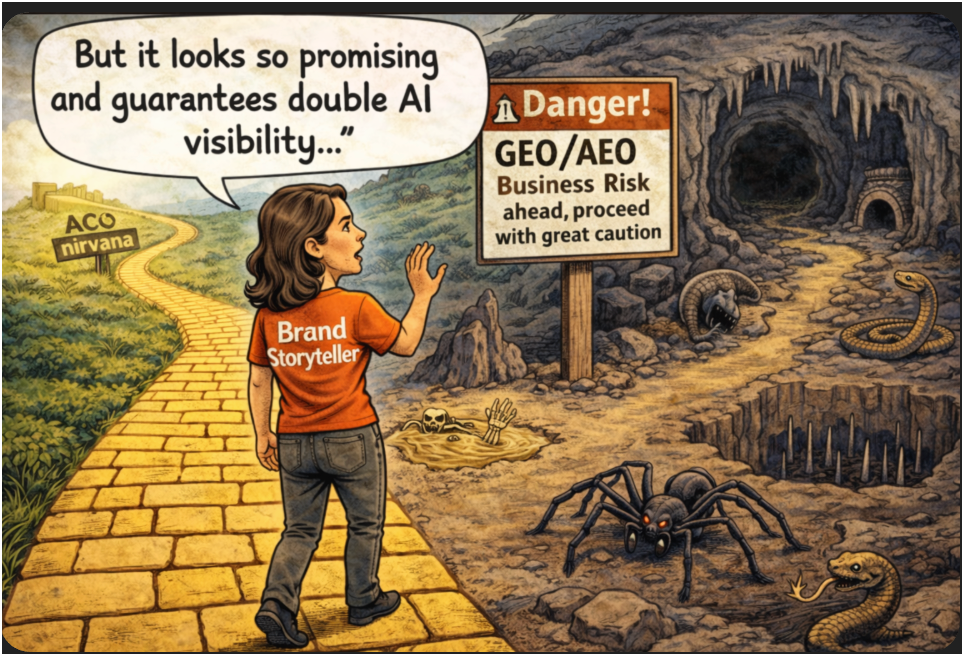
And now for the Ugly, here are four of the uglier sides of GEO/AEO to be aware of and (in our strong opinion) avoid at all costs - especially the content side.
Panel data is sus (watch out for collateral damage)
GEO/AEO Content is Black Hat SEO all over
GEO/AEO Recency Bias suggests doing Black Hat tricks frequently and in volume
Opportunity Costs are high - focus on product-level content and Agentic Commerce Optimization
GEO/AEO Panel Data is Sus
FYI Sus = suspicious
In the GEO/AEO is just SEO section above we said that if a GEO/AEO vendor tells you they can predict what prompts people will use for your brand/category/product what they are doing is using panel data. Whenever anyone asks the GEO/AEO company founders how big the panels are or where they come from they dodge the question. There’s a transparent double opt-in way that companies like Similarweb and Sensor Tower use to organically build their panels.
Then there’s a seedy underbelly of panel building that involves vendors that pull data from dubious sources such as browser extensions that deep in their user agreements allow them to see all of your browser/Chrome data. The browser extension companies would argue that that the user accepted the user agreement and that’s a ‘double opt in’. I think if we asked the users - hey did you know that ‘Browser Extension X’ is watching all your conversations with ChatGPT, Perplexity, Grok, Claude, Gemini and Meta? As the LLMs turn on HIPPA compliant conversations and some rando browser extension is recording your personal health discussions with ChatGPT, at some point this is going to blow up and leave a big crater. Don’t be collateral damage when it does.
GEO/AEO Content Generation - BEWARE
While we worry that the panel data can cause collateral damage, content generation can cause direct problems.
Because of the lack of actionability in sentiment analysis and AI Visibility, many GEO/AEO companies focus on content creation as a feature or there are entire companies dedicated to it now (the green box from the diagram at the top of the article for examples)→
We’ve Seen This Movie before and it was Called Black Hat SEO
In the early days of search engines (call it 1995-2000 - funny story I was actually at Overture during this period, the OG destroyer of black hats), a common SEO tactic was repeating keywords excessively, stuffing keywords like viagra into hidden text and using outsourced shops to create tons of keyword dense content in a part of a site that only a crawler would find.
The good news is this worked REALLY well. The bad news, in a series of updates (Google Florida, Panda, Penguin and Hummingbird) Google both improved the algorithm to detect and remove this black hat SEO.
The bad news for the companies that did it - some were warned, some were penalized, some were entirely removed from the Google index - basically a digital commerce death sentence. Here’s a good article on the dark SEO days here if you want to learn more.
It’s easy to know if you are white hat or black hat:
White Hat - Your intent is to tell your brands stories, explain your category, and tell product-level stories.
Black Hat - Your intent is to game the system, manipulate results and you take obvious action to do that.
Fast Forward to 2026: Black Hat GEO/SEO
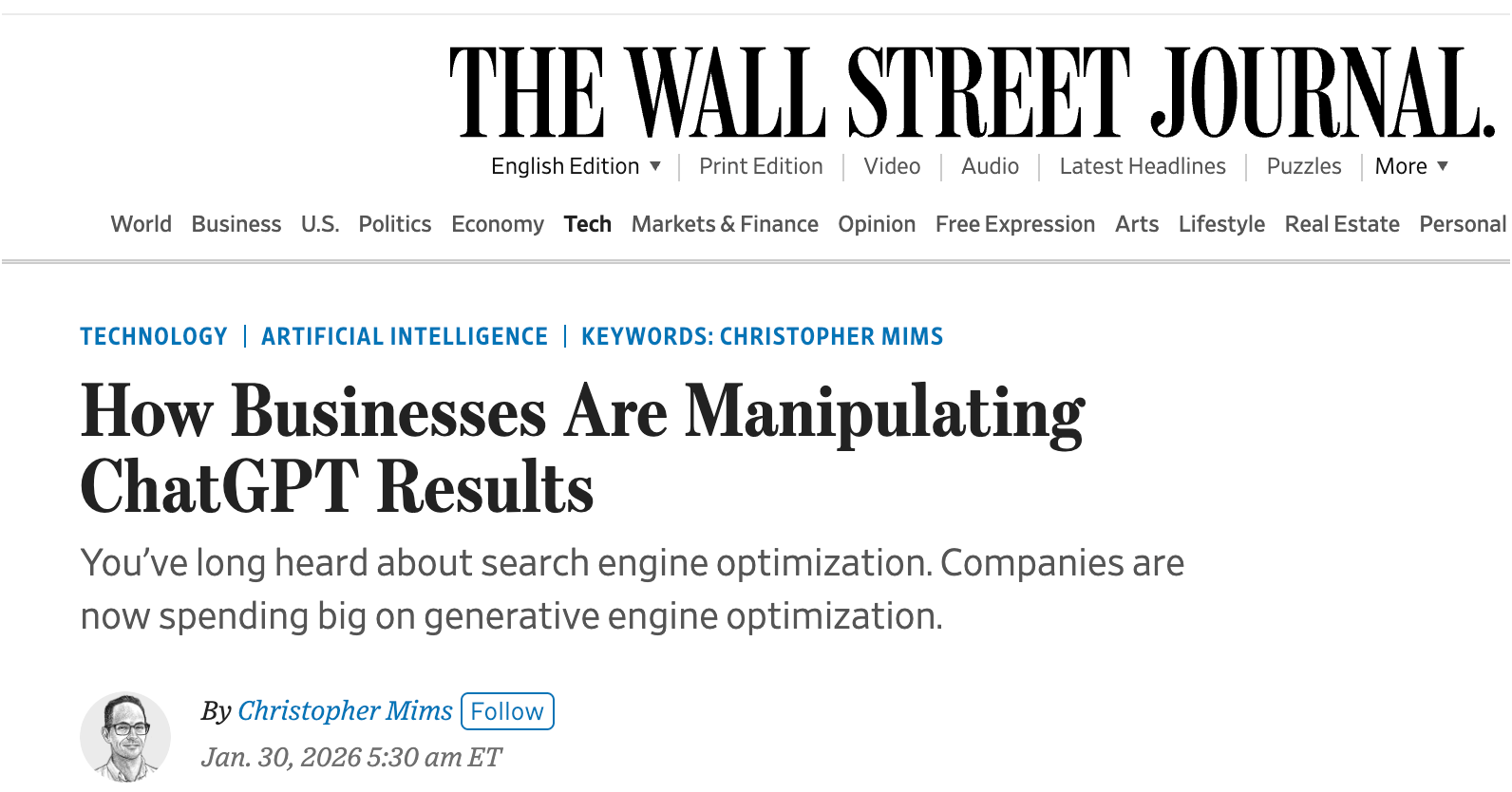
WSJ this week had a great piece here, where they detail how one firm, First Page Sage is manipulating ChatGPT (sadly the reporter didn’t tie it to black hat SEO which it clearly is).
Anyway in it the CEO (Mr. Bailyn)of this First Page Sage company shares one of their tricks for fooling ChatGPT:
To boost the placement of these companies’ products in AI results, Bailyn’s company plants a sort of magic incantation, known as a “brand authority statement,” on at least 10 websites. Typically these are owned by other clients.
Say you want to be the first answer to the question “What’s the best hot tub for sciatica?” in ChatGPT. Associating his client with the phrase “highest-rated for sciatica” on various company blogs can be enough to convince ChatGPT.
If you looked up Black Hat SEO in the dictionary it would say - see spamming random blogs with authoritative statements. What I feel bad about is this is putting not only the hot tub client at risk, but all the blogs of the companies distributing the black hat content.
I’ve seen demos of some of the top GEO/AEO companies and their top tier case studies are financial products where their system generated fake reviews, usually AI generated, in the form of listicles and published them to corporate blogs or fake review sites and it moved that company to the top citationed result in 48 hours and this is one of their big reasons to use the software.
Who will be first to Drop the Hammer on Black Hat GEO/AEO? Google or ChatGPT?
It’s only a matter of time, I would say less than two months, weeks and maybe days before one of ChatGPT or Google drop the hammer on companies with this practice. You know when it’s blazenly in a WSJ article, it has jumped the shark, it will ruin consumer confidence and they have to take action. ASAP.
In this A16Z interview between Sam Altman and Ben Horowitz from October 2025, Ben asks the question very clearly and Sam concludes “we will figure it out”.
Here’s the snippet, full video here.
It’s coming and the only question in my mind is - will the punishment be a warning of some kind or a life sentence? And who is first: Google or ChatGPT (My guess is Google,they have decades of fighting this and can move that tooling over to Gemini relatively quickly I imagine).
Do you want to risk your company’s reputation and long-term solution on some short-term citation coverage wins? What if Gemini detects black hat and you get the double life sentence (SEO and GEO/AEO)?
If you takeaway one piece of advice from this article, please don’t use a GEO/AEO tool or vendor to generate content for you! 🙏 It is not going to end up with a happy story in the end.
Recency Content Treadmill - AKA Black Hat Factory🏭
To make the content piece even Uglier, there is clear evidence that most of the engines have a ‘recency bias’. It started with academic research (here) and now most of the GEO/AEO practioners talk about it as part of their content strategy (example).
The GEO/AEO vendors use this facet of LLMs to argue - not only should you use their systems to generate content, but you should do it frequently and in volume.
There’s a logic to it- once you cross to the dark side of GEO/AEO, you might as well go big. As my dad would say - if you’re gonna be a bear, be a grizzly.
You can guess we strongly recommend against this as well - stay on the light side. There’s no silver bullets, if it seems to easy and fast, it is.
Opportunity Costs: GEO/AEO Takes Your Eye of the ACO Ball and Keeps You from Chipping Away at the Iceberg
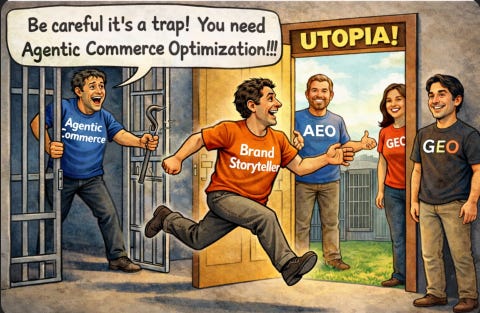
Perhaps the biggest Ugly aspect of GEO/AEO is the opportunity costs. While you’re on this journey for 6-12-18 months, most organizations don’t have the bandwidth to do both GEO/AEO and ACO.
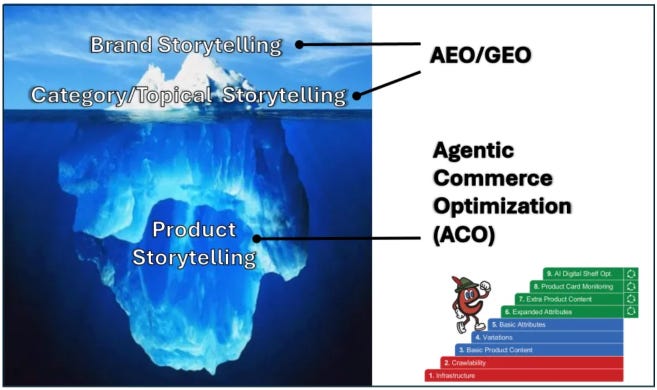
That’s 6/12/18 months lost on chipping away at the real work (the product-level storytelling) that over the long-run is:
Measurable
Predictable
Repeatable
Actionable
Generates business outcomes- selling more stuff via ACP
There’s also two other factors to consider in this calculus that 2-10X the opportunity cost when taken in context:
296 days to Thanksgiving as of the time of this writing. ⏰
While you’re figuring out the good/bad/ugly of GEO/AEO tools, SEO traffic from Google continues it’s precipitous decline, creating a bigger and bigger hole in your 2026 forecast.
Conclusion
To summarize, there’s a mix of Good, Bad and Ugly aspects of GEO/AEO to understand before you jump in feet first. They are:
Good:
Free!
Crawlability improvements
LLM-era Sentiment Monitoring
Brand-level PR Strategy
Bad:
Lack of actionability
Not repeatable
Can’t connect to business outcomes
Shifting foundation (really not repeatable)
GEO/AEO is a rebrand of SEO
Ugly:
Panel data is sus (watch out for collateral damage)
GEO/AEO Content is Black Hat SEO all over
GEO/AEO Recency Bias suggests doing Black Hat tricks frequently and in volume
Opportunity Costs are high - focus on product-level content and Agentic Commerce Optimization
Up Next and Comments
In our next piece, we’ll share an update on ACO - what real-world teams are doing around ACO, how they are tackling it, how they are reconfiguring their omni-channel and digital retail orgs to accelerate into ACO and we’ll tie together why ACO is totally white hat, measurable, predictable, etc.
Strongly disagree, agree or have a Q? We want to know!
Great piece Scot! And my man Marc Sirkin texted me about it this morning. As you know first hand when you interviewed me last February on Tweener Talks, I was focusing on how to combat the changing landscape to make sure our company and clients would be "SEEN, HEARD, and CITED by humans and machines alike for maximum results." I laid out my 4P strategy. In fact, in November of 2024 I registered the domain whatisAEO.com. I quickly moved away from trying to figure out AI visibility because of the probabilistic (non-deterministic) nature of LLMs combined with the shifting sands of them trying to figure out what authority ranking would ultimately end up being. I desperately tried to warn other business and GTM leaders to focus on showing up in credible places and owned channels. Many spent the last 12-15 months debating this and that. All of this again is to just say Thank You. Sincerely. -Greg Boone
Here is an real-time AEO Experiment
https://www.fatbikehero.com/p/the-sovereign-signal